
Low Testosterone in Men: Symptoms, Causes, and What Labs Should Be Checked
If you've been feeling like a lower-energy, foggier, less motivated version of yourself — and you've chalked it up to "just getting older" — it might be worth a closer look at your testosterone. Low testosterone (often called Low T or hypogonadism) is common, frequently overlooked, and, in many cases, very treatable once it's properly identified.📅 BOOK YOUR DISCOVERY CALL →
At Core Function Health, we see this pattern often: men who've been told their labs are "normal" but who still don't feel like themselves. Here's what we look at, and why.

What Low Testosterone Actually Feels Like
Testosterone affects far more than libido. When levels drop below what your body needs to function well, it can show up as:
Persistent fatigue or low energy, even with adequate sleep
Reduced muscle mass or strength, and difficulty building muscle despite training
Increased body fat, particularly around the midsection
Low libido or erectile dysfunction
Brain fog, poor concentration, or a flat, low motivation
Mood changes — irritability, low mood, or a general sense of "blah"
Poor sleep quality
Reduced morning erections
Loss of body or facial hair
Bone density loss over time
Symptoms often develop gradually, which is part of why they're easy to dismiss. Many men adapt to feeling worse without realizing how much better they could feel.
What Causes Low Testosterone
Low T isn't one single condition — it has several possible drivers, and identifying the right one matters for treatment:
Age-related decline. Testosterone naturally decreases by roughly 1% per year after age 30, though the rate and impact vary widely between individuals.
Primary hypogonadism. The testes themselves aren't producing enough testosterone, due to injury, infection, genetic conditions, or prior chemotherapy/radiation.
Secondary hypogonadism. The signal from the brain (hypothalamus and pituitary) that tells the testes to produce testosterone is disrupted. Causes include pituitary tumors, high prolactin, chronic stress, opioid use, and significant weight changes.
Metabolic and lifestyle factors. Obesity, insulin resistance, type 2 diabetes, poor sleep, chronic stress, and excessive alcohol use are all strongly linked to lower testosterone.
Chronic illness and inflammation. Conditions like sleep apnea, chronic kidney or liver disease, and systemic inflammation can suppress production.
Medications. Opioids, some steroids, and certain other medications can lower testosterone as a side effect.
This is why we don't just treat a number — we look for the underlying driver, because the right approach for age-related decline looks different than the right approach for, say, undiagnosed sleep apnea or insulin resistance.
📅 BOOK YOUR DISCOVERY CALL →
What Labs Should Actually Be Checked
A single testosterone number rarely tells the full story. A thorough workup typically includes:
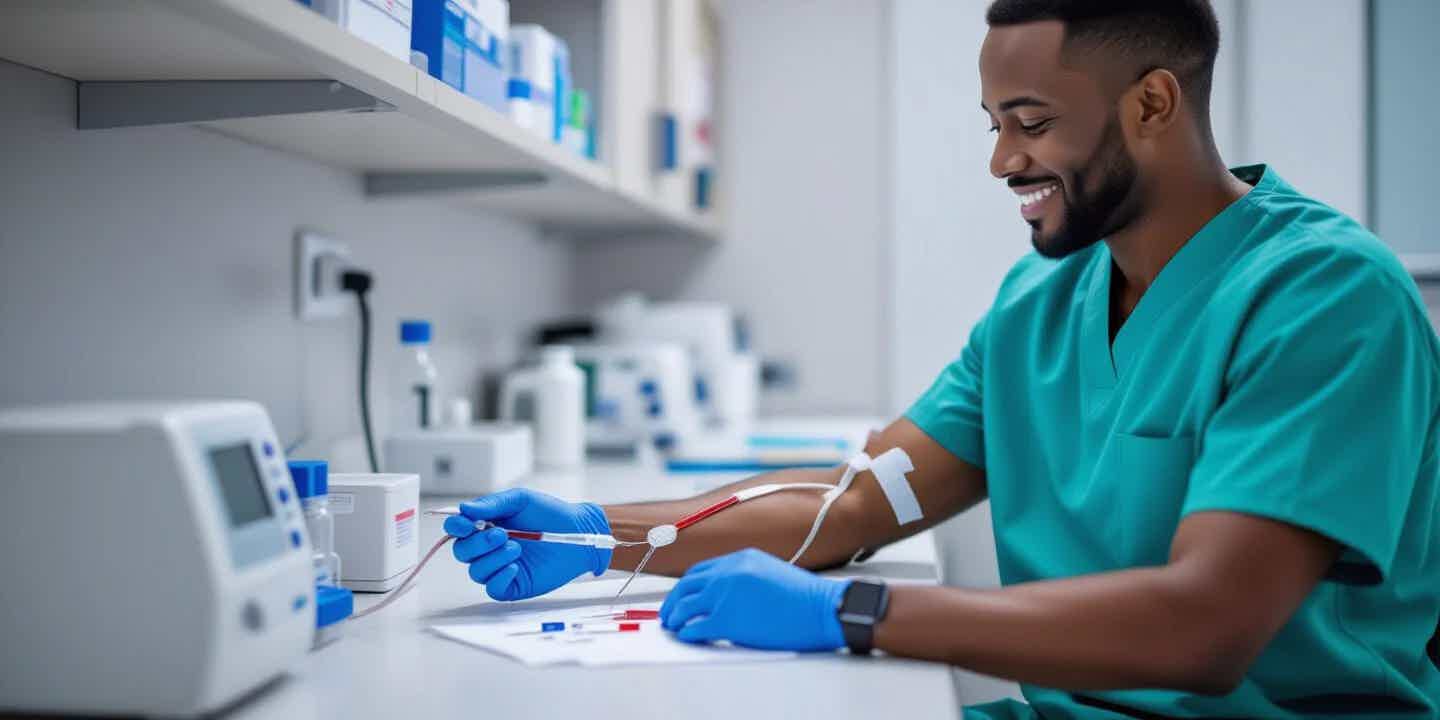
Core hormone panel
Total testosterone (drawn early morning, when levels peak)
Free testosterone — the biologically active portion
Sex hormone-binding globulin (SHBG) — affects how much testosterone is actually available to your tissues
Luteinizing hormone (LH) and follicle-stimulating hormone (FSH) — help distinguish primary from secondary hypogonadism
Prolactin — elevated levels can suppress testosterone production
Estradiol — testosterone converts to estrogen, and the balance between the two matters
Metabolic and general health markers
Fasting glucose and HbA1c — insulin resistance is a major driver of low T
Complete blood count (CBC) — testosterone therapy can raise red blood cell counts, so a baseline matters
Comprehensive metabolic panel — kidney and liver function
Lipid panel
Thyroid panel (TSH, free T4, free T3) — thyroid dysfunction can mimic or worsen Low T symptoms
Additional markers depending on the picture
Ferritin and iron studies
Vitamin D
Cortisol
PSA, for men considering testosterone therapy
hsCRP (high-sensitivity C-reactive protein) — to assess for chronic low-grade inflammation, a contributing factor to low testosterone and a relevant marker for cardiovascular risk before starting hormone therapy.
Getting this full picture — rather than just a single total testosterone draw — is what allows for an accurate diagnosis and a treatment plan tailored to the actual cause, not just the symptom.
The Bottom Line
Fatigue, low libido, and brain fog aren't something you have to just live with. If any of this sounds familiar, a comprehensive lab panel is the place to start. From there, treatment might involve lifestyle and metabolic changes, addressing an underlying condition, or hormone optimization therapy — depending on what's actually driving the numbers.
If you're ready to get real answers about your hormone health, we're here to help.
📅 BOOK YOUR DISCOVERY CALL →
This article is for educational purposes and is not a substitute for individualized medical advice. Schedule a consultation with Core Function Health to discuss your symptoms and lab results.
Core Function Health — 909 Electric Ave, Suite 312C, Seal Beach, CA — 562-248-6546 | www.corefunctionhealth.com | @corefunctionhealth
If you're experiencing these symptoms, Core Function Health is here to help — proudly serving patients throughout Orange County, Long Beach, Los Angeles, and across California.
References
Mulhall JP, Trost LW, Brannigan RE, et al. Evaluation and Management of Testosterone Deficiency: AUA Guideline. J Urol. 2018;200(2):423-432.
Bhasin S, Brito JP, Cunningham GR, et al. Testosterone Therapy in Men With Hypogonadism: An Endocrine Society Clinical Practice Guideline. J Clin Endocrinol Metab. 2018;103(5):1715-1744.
Harman SM, Metter EJ, Tobin JD, Pearson J, Blackman MR. Longitudinal effects of aging on serum total and free testosterone levels in healthy men. J Clin Endocrinol Metab. 2001;86(2):724-731.
Wittert G, Grossmann M. Obesity, type 2 diabetes, and testosterone in ageing men. Rev Endocr Metab Disord. 2022;23(6):1233-1242.
Muraleedharan V, Jones TH. Testosterone and the metabolic syndrome. Ther Adv Endocrinol Metab. 2010;1(5):207-223.
Osmancevic A, Ottarsdottir K, Hellgren M, Lindblad U, Daka B.High C-reactive protein is associated with increased risk of biochemical hypogonadism: a population-based cohort study. Endocr Connect. 2022;11(7):e220141. PMID: 35904226